
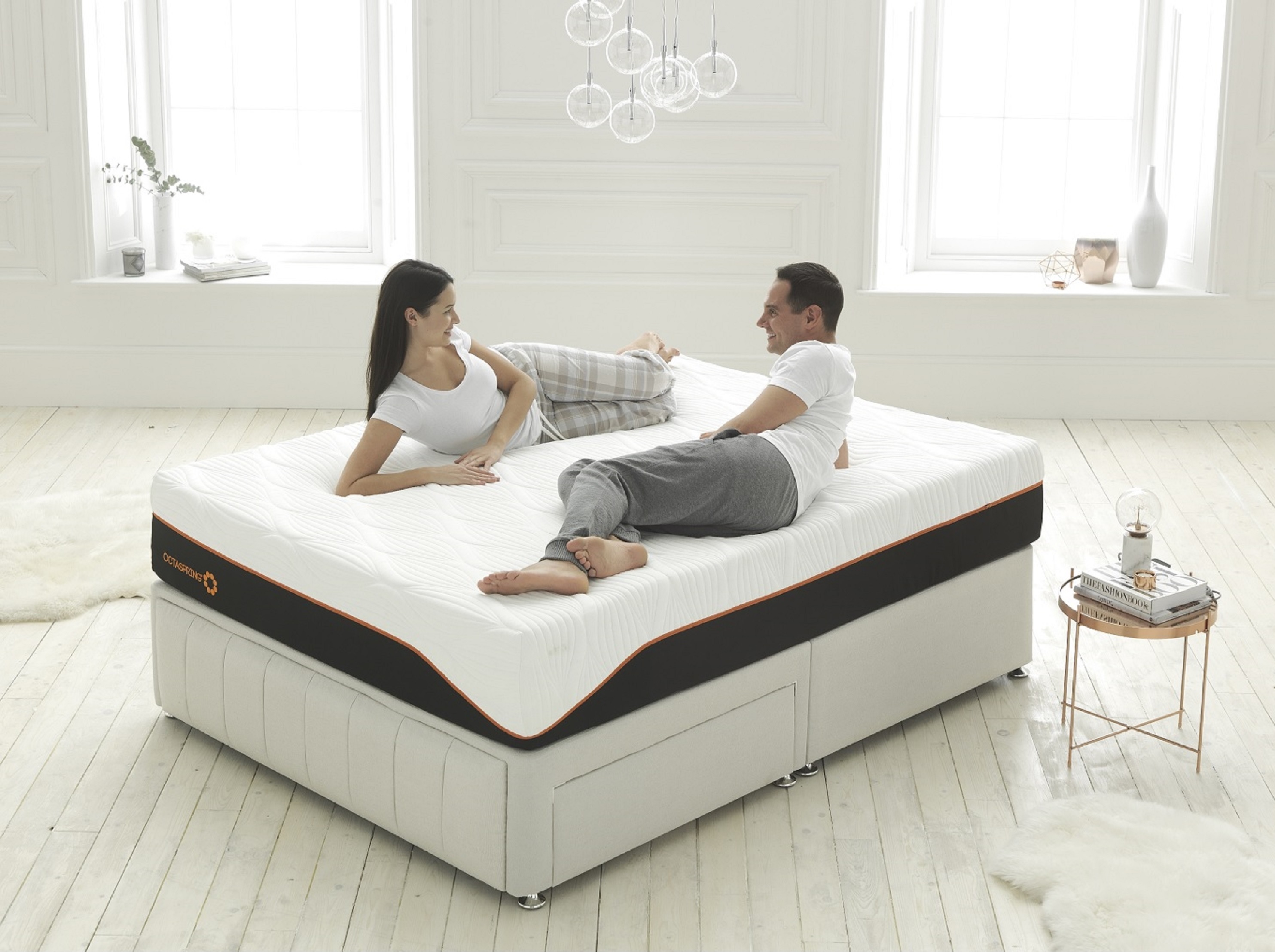
Top Ten Tips For An Allergy-Free Bedroom
It is estimated that more than 10 million people suffer with hayfever in England alone and there are plenty more if you factor in other allergies.
If you happen to be one of these people, you may well find that your symptoms worsen at night. There are three main reasons for this. Firstly, pollen levels worsen at night time. Secondly, many bedrooms contain hidden allergens. Lastly, consider whether it’s time to change your pillows. The Sleep Council recommends you do this every two years – more details about why over in our Pillow Talk blog.
If you are a sufferer, the good news is that there are things you can do to limit your symptoms.
1. Clothing
Hayfever and seasonal allergies are caused by pollen which we all unknowingly carry around in our hair, shoes and clothes after being outside. Consider keeping your laundry basket outside of the bedroom so that dirty clothes don’t contaminate the room and don’t wear outdoor shoes in the bedroom.
2. Curtains
Ideally, curtains need to be washed every three to six months at the highest temperature allowed on the label. If that seems like an awful lot of hassle (as it does to us!), a roller blind may well be the way forward.
3. Plants
Keep flowers out of the bedroom to minimise pollen exposure at night. Houseplants however, can act as good air filters if you don't have a specific allergy to mould.
4. Floor
If you have carpets, vacuuming daily at the worst times of the year is a good idea but remember that dust can stay in the air for up to 4 hours. If you have flooring in the bedroom, washable rugs are ideal.
A bedstead may be a better bet than a divan for serious allergy sufferers because of the improved air circulation. If you have a model that allows you to easily vacuum underneath, that’s a big bonus too!
5. Windows
Wipe window frames and glass regularly to prevent mould and mildew. Both can trigger symptoms if you have allergies or asthma. Also wipe blinds, the bed frame itself and other dust traps with a damp cloth at least once a week to reduce reactions to dust.
Keep your windows closed in the early morning and early evening during the pollen season, but keeping them open slightly during the night is recommended in order to keep the bedroom well ventilated.
6. De-clutter
Keep ‘things’ to a minimum in the bedroom and try not to store anything under the bed. The fewer items there are to collect dust, the easier it is to clean and the better you’ll be able to breathe – and sleep.
7. Temperature
Dust mites can’t breed as well at lower temperatures, so turning the heating down further than you usually would may be a good idea.
8. You!
Having a bath or shower before bed will remove any pollen and other allergens that you’ve collected over the course of the day and prevent you transporting it into your bed. Research also suggests it may help you sleep better.
9. Bedding
Anti-allergy mattress and pillow protectors are a worthy investment and all bedding should be washable at 60 degrees. Drying in a hot dryer will further reduce any allergens.
10. Mattress
Last but certainly not least, it’s important to consider your mattress itself. Did you know that the average traditionally sprung mattress can have upwards of 10 million dust mites living in it. Creepy, eh? It’s for that very reason that Dormeo strongly recommends that allergy sufferers choose a memory foam mattress.
Memory foam mattresses are made from inorganic fibres and as such, they don’t provide any tasty, life-sustaining food for nasty, hungry dust-mites to feed on. As a result, dust-mites can’t thrive and will avoid them.
For the same reason, allergy sufferers should avoid padded headboards and the use of quilts and cushions on the bed. In fact, the less upholstery in your bedroom the better when it comes to allergies.
The covers of all Dormeo mattresses are impregnated with Sanitized® protection against dust-mites, fungi and bacteria, making them especially suitable for people with asthma or allergies. The layer below the mattress cover also contains hypoallergenic silicone wadding that provides additional protection against bacteria and allergens. In fact, Dormeo specialises in providing antimicrobial, hypoallergenic products. Check out our specialist Aloe Vera Range and Silver Range for more details.
At Dormeo we are a pretty happy bunch, because we sleep on Dormeo mattresses. For us it’s quite easy to recommend our products to others because we all sleep on them. We know them, use them and enjoy the benefits. So why should you tolerate poor sleep? Dormeo can help eliminate the most common causes of a lack of sleep but don’t just take our word for it.
All our mattresses are available in Single, Double, King and Super King sizes and come with our 15 year warranty and our 200 night Comfort Guarantee. We are that sure that you will experience the best sleep that if you don’t agree within the 60 day trial period, we'll happily refund you the cost of the mattress with our ‘No Quibble Refund’.
If you have any questions or queries, we are on hand any time to answer them, free, on 0800 625 0134.
Explore the hub
National Bed Month 2026: The Clinical Case for Sleep
6 Winter Sleep Tips: How Mattress Toppers Can Enhance Your Sleep Comfort This Winter

Leave a Reply